


71 A, Suriya Hospital, Puliyangudi, Tenkasi - 627855
Laparoscopic surgery is a minimally invasive surgical approach that uses small surgical openings, a camera called a laparoscope, and specialised instruments. It may be considered for selected surgical conditions when the surgeon determines that this approach is appropriate.
Laparoscopic surgery is a minimally invasive surgical approach in which the surgeon operates through small incisions rather than using one larger incision. A thin instrument called a laparoscope, fitted with a camera and light, allows the surgical team to view the area being treated on a monitor.
Depending on the condition and the procedure required, other small instruments may be introduced through additional incisions. The exact technique, number of incisions and type of surgery vary according to the patient's condition.
At Surya Hospital, Puliyangudi, laparoscopic surgery forms part of the hospital's surgical care. The suitability of a laparoscopic approach is determined after considering the patient's condition, medical history and the procedure required.
Laparoscopic surgery can be used for several abdominal and general surgical conditions. It is not a treatment for one specific disease; rather, it is a surgical approach that may be suitable for different procedures.
The appropriate approach depends on the individual case. A procedure that can commonly be performed laparoscopically in one patient may require a different surgical approach in another.
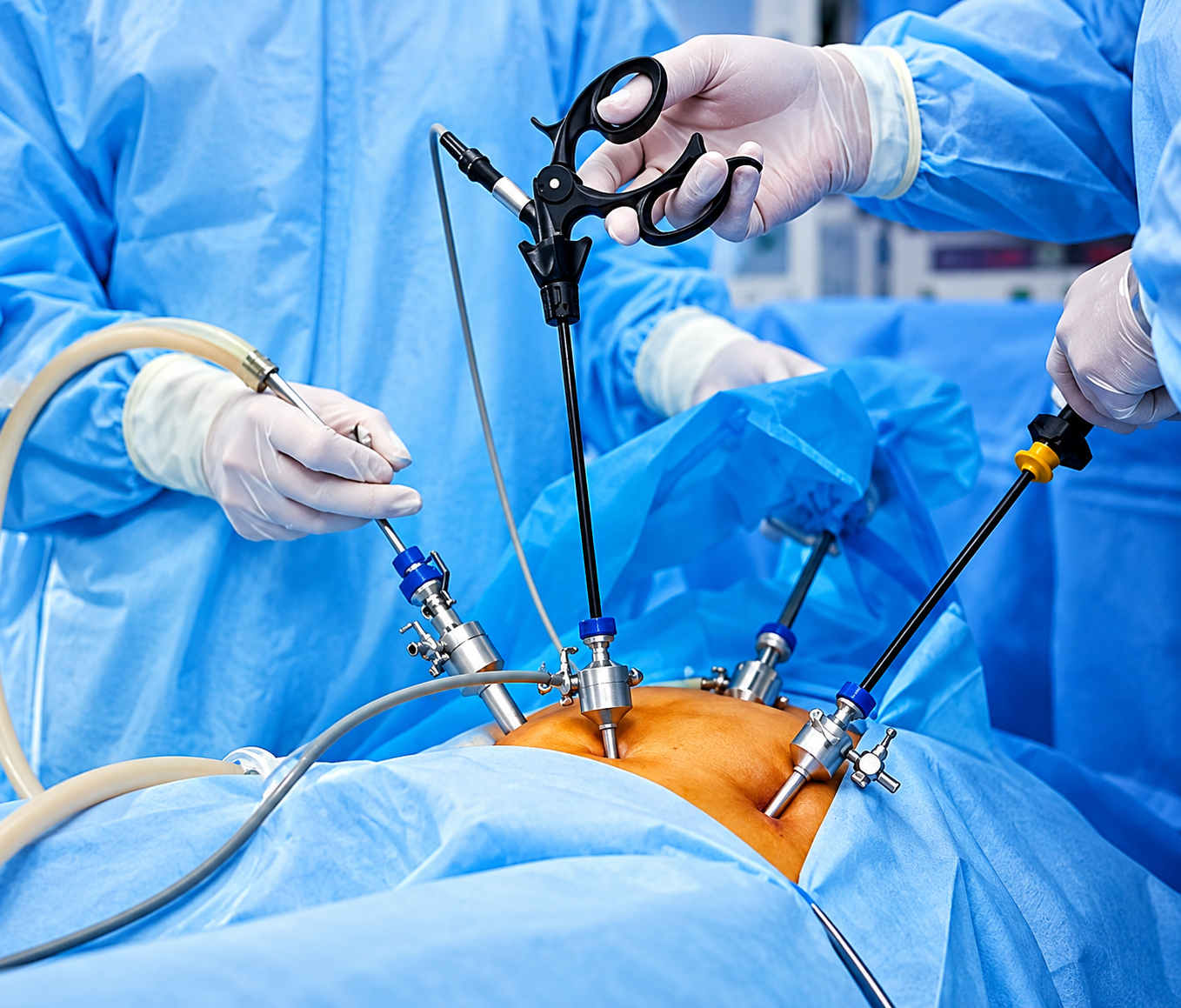
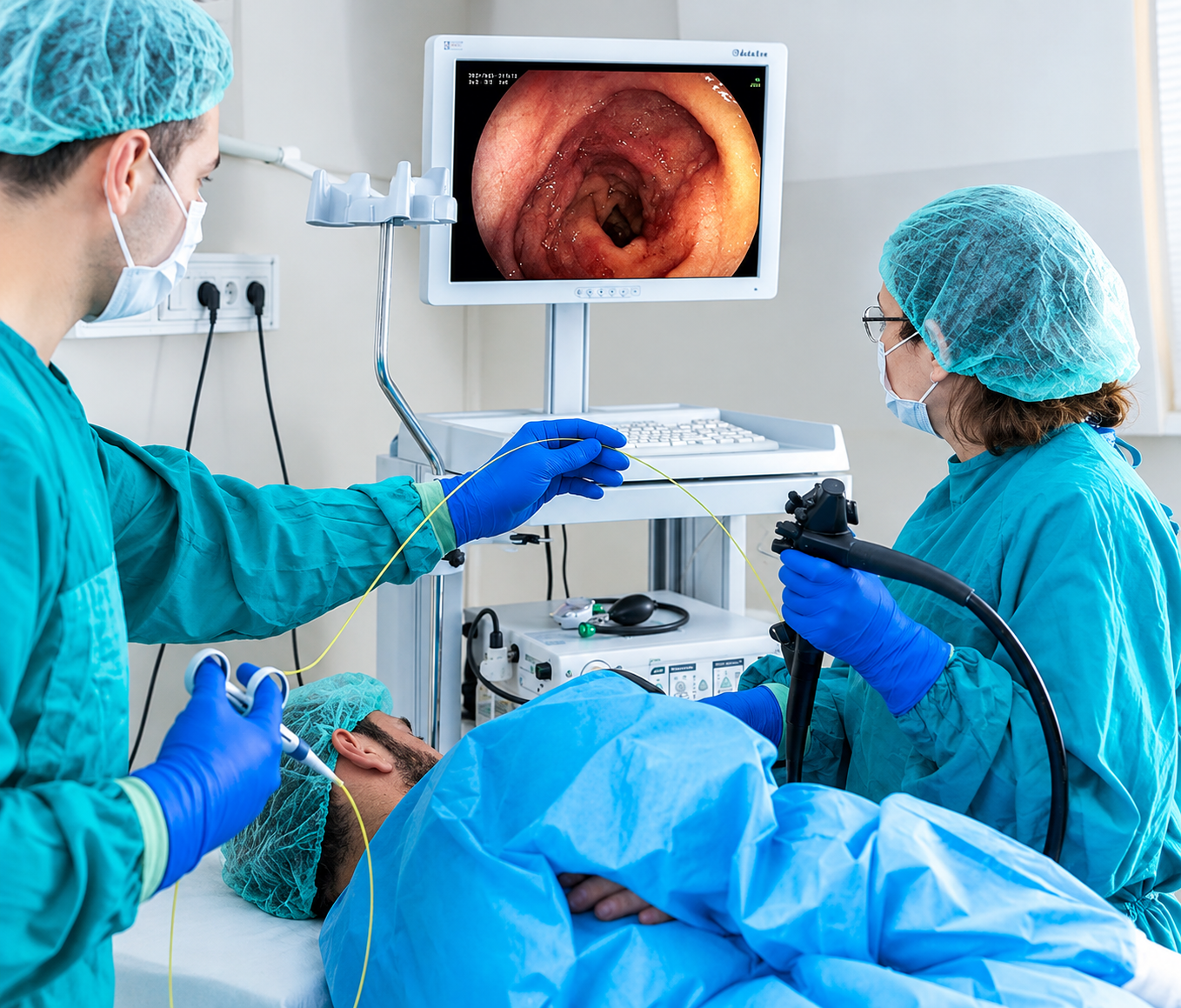
The main difference between laparoscopic and open surgery is how the surgeon accesses the area being treated.
Laparoscopic surgery generally uses several small incisions through which a camera and surgical instruments are introduced. Open surgery uses a larger incision to provide direct access to the surgical area.
Laparoscopic surgery may offer advantages such as smaller incisions and, in suitable cases, less disruption to surrounding tissues. However, it is not automatically the better choice for every patient.
The decision may depend on the type and severity of the condition, previous abdominal surgeries, the patient's overall health, anatomical considerations and the surgeon's assessment. In some situations, open surgery may be more appropriate or a laparoscopic procedure may need to be converted to open surgery for safety.
Suitability is determined individually rather than simply by age or by the name of the condition.
This assessment is important because minimally invasive surgery still involves a surgical procedure and carries potential risks.
One reason laparoscopic surgery is widely discussed in general surgery is that the same surgical approach can be used for different conditions.
For example, gallbladder removal, some hernia repairs and appendix surgery may be performed laparoscopically when appropriate. Other abdominal procedures may also have minimally invasive options depending on the diagnosis and surgical requirements.
The treatment page for each condition should provide the more specific information about why surgery may be recommended, available approaches and recovery. This page focuses on understanding laparoscopic surgery itself.
Before surgery, the doctor reviews your medical history and confirms the diagnosis and proposed procedure. Depending on the situation, investigations such as blood tests, imaging or other pre-operative assessments may be recommended.
You should inform the medical team about existing health conditions, previous surgeries, allergies and medicines or supplements you are taking. Certain medicines may need specific instructions before surgery, but these decisions should come from your treating doctor.
You will also receive instructions about eating and drinking before the procedure and other preparation requirements. Following these instructions carefully can help the surgical team prepare you safely.
Laparoscopic surgery is generally performed under anaesthesia, with the specific anaesthetic plan determined by the surgical and anaesthesia team.
A small incision is made to introduce the laparoscope. The abdomen may be gently inflated with carbon dioxide to create working space, allowing the surgeon to see and operate more effectively. Additional small incisions may be made for surgical instruments.
The surgeon performs the required procedure while viewing the operating area on a monitor. Once the procedure is completed, the instruments are removed and the incisions are closed.
The exact steps vary considerably depending on whether the surgery is being performed for gallbladder stones, hernia, appendicitis or another condition.
No. Laparoscopic surgery is a method of accessing and treating a surgical problem, not one single operation.
For example, the steps involved in laparoscopic gallbladder removal are different from those involved in laparoscopic hernia repair or appendectomy. The procedure selected depends on the diagnosis and what needs to be treated.
This is why a consultation with a General & Laparoscopic Surgeon is important before deciding whether minimally invasive surgery is appropriate.
Once a surgical condition has been identified, the surgeon considers whether laparoscopic surgery is appropriate for that particular patient. The decision is based on the diagnosis, severity of the condition, previous surgeries, medical history, investigation results and the overall risks and benefits of the proposed approach.
Pre-operative assessment may include a physical examination, blood investigations, imaging or other tests depending on the type of surgery. The medical team also reviews existing medical conditions and medicines to identify anything that may need attention before the procedure.
The purpose of this assessment is not simply to prepare for surgery. It also helps the surgical team determine whether laparoscopic surgery is the safest and most suitable approach.
When laparoscopic surgery is appropriate, the minimally invasive approach may offer several potential advantages compared with some open procedures.
However, these benefits should not be understood as guarantees. Recovery varies from one person to another and depends on the operation performed, the patient's health and whether any complications occur.
Yes. Laparoscopic surgery is not suitable for every condition or every patient.
The size and complexity of the surgical problem, previous abdominal operations, unexpected findings during surgery and the patient's general health can influence the choice of approach. In some circumstances, open surgery may provide a safer or more appropriate way to complete the operation.
If surgery is recommended, There may also be situations where a laparoscopic procedure begins as planned but the surgeon decides that conversion to open surgery is necessary. This decision is made according to the circumstances during surgery and is intended to prioritize patient safety.
After the procedure, the medical team monitors the patient as the effects of anaesthesia wear off. Pain, nausea, the condition of the surgical wounds and general recovery are assessed.
Some people may experience temporary abdominal discomfort or bloating after laparoscopic surgery. Shoulder-tip discomfort can also occur because of the gas used during the procedure. These symptoms are usually discussed as part of normal post-operative care, but patients should follow the specific instructions provided by their medical team.
Whether you can go home on the same day or need to remain in the hospital depends on the type of operation, your recovery and the doctor's assessment.
There is no single recovery period for every laparoscopic operation.
A straightforward procedure may have a different recovery pattern from a more complex abdominal surgery. Your activity level, overall health, type of procedure and any complications can also affect recovery.
It is important not to compare your recovery directly with another person's experience. A recovery timeline should be based on the procedure you underwent and your individual progress.
Many patients gradually return to their usual activities as their recovery progresses, but the timing varies.
Light movement may be encouraged when medically appropriate, while strenuous exercise, heavy lifting or other activities may need to be restricted for a period determined by the surgeon.
Your work may also influence when you can return. Someone with a desk-based job may have different requirements from someone whose work involves prolonged standing or physical labour.
Following your surgeon's instructions is more important than trying to meet a predetermined recovery timeline.
Although laparoscopic surgery is commonly used, it is still a surgical procedure and carries potential risks.
The level of risk depends on the type of surgery and the patient's individual health. Your surgeon should explain the relevant risks and benefits before the procedure so that you can make an informed decision.
Patients should follow the hospital's discharge instructions and contact their medical team if they develop concerning symptoms.
Depending on the operation, warning signs may include persistent or worsening pain, fever, unusual bleeding, increasing redness or discharge from a wound, repeated vomiting, breathing difficulty or other symptoms that seem abnormal during recovery.
Do not rely on a general recovery timeline if something feels significantly different from what you were told to expect. The appropriate response depends on the procedure and the individual's condition.
Recovery does not end when you leave the hospital. Follow-up allows the doctor to assess wound healing, review recovery and address any concerns that arise after surgery.
The timing of follow-up varies according to the procedure and the patient's condition. Keep your discharge instructions and prescribed medicines available, and attend the recommended review appointments.
If you have questions about activity, diet, wound care or returning to work, your follow-up consultation is an appropriate time to discuss them.
If your doctor recommends laparoscopic surgery, ask why this approach is suitable for your condition, what alternatives are available and what you should expect during recovery.
Understanding the reason for the operation can be just as important as knowing the name of the procedure. A clear discussion with the surgeon helps you understand the expected benefits, limitations and potential risks before making a treatment decision.
Choosing a surgical hospital is not only about the procedure itself. Patients and families often want to understand who will perform the surgery, how the treatment approach is selected and what kind of follow-up is involved.
At Surya Hospital, Puliyangudi, laparoscopic surgery is provided as part of its Laparoscopic & General Surgery services. The appropriate surgical approach is determined according to the patient's diagnosis, medical history, investigation findings and the surgeon's assessment.
The hospital's confirmed surgical services include laparoscopic and general surgical care for conditions such as gallbladder stones, hernia, appendix-related conditions, kidney stones, ureteral stones and cancer surgery. Each condition has its own treatment considerations, so patients should discuss the recommended procedure with the surgeon rather than assuming that every condition will require the same laparoscopic approach.
Dr. M. Sivasubramanian, M.S., D.MAS., F.MAS., FIAGES, FALS, F.ART, is a General & Laparoscopic Surgeon and the Managing Director of Surya Hospital. He has 10+ years of experience.
Patients considering laparoscopic surgery can discuss their symptoms, diagnosis, previous medical history and investigation reports during a surgical consultation. The surgeon can then assess the condition and explain whether laparoscopic surgery, open surgery or another treatment approach is appropriate.
The decision should always be based on the patient's individual clinical situation rather than on the surgical method alone.
For patients searching for laparoscopic surgery in Puliyangudi or Tenkasi, local access is one practical consideration when choosing surgical care. Equally important are the surgeon's qualifications, the nature of the procedure, pre-operative assessment and the follow-up plan.
Surya Hospital is located in Puliyangudi, Tenkasi, providing a local option for patients seeking general and laparoscopic surgical consultation.
A surgical consultation may be appropriate if you have been diagnosed with a condition that may require an operation or if your doctor has advised you to seek a surgical opinion.
You can bring previous scan reports, laboratory results, medical records and details of earlier treatments to the consultation. This information can help the surgeon understand your medical history and determine what further assessment may be required.
You should also inform the doctor about existing medical conditions, previous operations and medicines you currently take.
Surya Hospital's laparoscopic and general surgery services include dedicated treatment pages for several conditions. Patients can explore the relevant page based on their diagnosis:
These pages provide condition-specific information rather than repeating the general laparoscopic surgery information covered here.
71 A, Surya Hospital, 5th West Street, Karpaga Veethi, Opposite to T.N.S.T.C Bus Depot, Puliyangudi, Tenkasi - 627855
Laparoscopic surgery is a minimally invasive surgical technique that uses a small camera and specialized instruments inserted through small incisions. It can be used for several abdominal and general surgical procedures when considered appropriate for the patient.
Not necessarily in every situation. Laparoscopic surgery may offer advantages for suitable patients, but open surgery may be more appropriate for certain conditions or circumstances. The surgeon decides the safest approach after assessing the individual case.
No. Suitability depends on the condition being treated, its complexity, previous surgeries, medical history, investigation results and other clinical factors.
Recovery varies according to the procedure and the patient's health. A relatively straightforward operation may have a different recovery period from a more complex surgery. Your surgeon will provide specific guidance about activity, wound care, work and follow-up.
Not necessarily. The length of hospital stay depends on the type of surgery, the patient's recovery and whether any complications occur. Some procedures may allow earlier discharge, while others may require observation or continued hospital care.
In some situations, a surgeon may decide that conversion to open surgery is necessary during an operation. This can depend on unexpected findings, technical difficulties or safety considerations.
Understanding these points can help you make an informed decision about your treatment.
Preparation may include fasting, medication instructions, pre-operative tests, and arranging someone to take you home. Your surgeon will provide instructions based on your procedure and health.
No. Laparoscopic surgery is not suitable for every patient or surgical condition. The decision depends on the diagnosis, previous surgeries, overall health, anatomy, and the complexity of the procedure. Your surgeon will determine whether a minimally invasive approach is appropriate.
Your surgeon may discuss another surgical approach, including open surgery, or an alternative treatment when appropriate. The choice depends on your condition, safety considerations and the expected benefits and limitations of each option.
If you have been advised to consider surgery or want to discuss whether a laparoscopic approach may be appropriate for your condition, a surgical consultation is the right starting point.
At Surya Hospital, Puliyangudi, you can discuss your diagnosis, treatment options and expected recovery with the surgical team and understand the next appropriate step.
Looking for laparoscopic surgery in Puliyangudi, Tenkasi? Contact Surya Hospital to schedule a surgical consultation.