


71 A, Suriya Hospital, Puliyangudi, Tenkasi - 627855
General surgery is a surgical specialty that deals with the evaluation and surgical management of a wide range of conditions affecting areas such as the abdomen, digestive system, abdominal wall and other parts of the body that may require surgical treatment. Depending on the condition, a general surgeon may consider either a minimally invasive approach or conventional open surgery after reviewing the patient's symptoms, medical history, examination findings and diagnostic reports.
At Surya Hospital, Puliyangudi, Tenkasi, general surgical care begins with understanding the patient's condition rather than assuming that every problem requires an operation. The consultation may help determine whether surgery is appropriate, whether further investigation is needed, or whether another form of management should be considered.
General surgery covers several types of surgical conditions, which means patients may come to a general surgeon with very different symptoms and diagnoses.
Each condition has its own treatment pathway. A patient with a groin swelling may need an entirely different assessment from someone experiencing recurrent abdominal pain associated with gallbladder stones.
This is why general surgery should not be viewed as one standard procedure. The diagnosis, severity of the condition, previous medical history and investigation findings all influence what happens next.
A general surgical consultation may be appropriate if you have already been diagnosed with a condition that may require an operation or if another healthcare professional has advised you to obtain a surgical opinion.
You may also need evaluation when a symptom continues to return, becomes more severe or begins affecting your normal activities.
Importantly, having a surgical consultation does not automatically mean that you will need surgery.
The purpose of the consultation is first to understand the problem and then determine the appropriate next step.

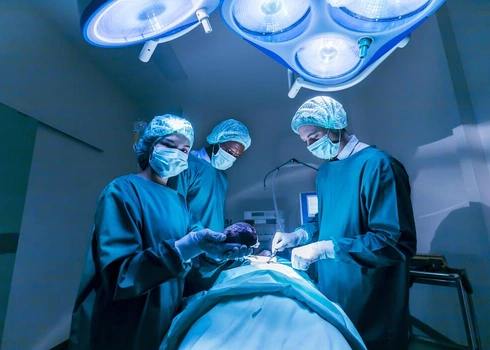
No. A general surgeon may recommend observation, further investigation, medical management or surgery depending on the individual condition.
The decision is not based only on the presence of a symptom. A surgeon may consider the patient's clinical history, physical examination, diagnostic findings, severity of the condition and overall health before discussing treatment options.
For example, two patients may report abdominal pain but have completely different underlying conditions. Their investigations and treatment pathways may therefore be different as well.
A surgical consultation provides an opportunity to establish what is actually happening and whether an operation is medically appropriate.
A general surgical decision is usually based on several pieces of information rather than one isolated finding.
Symptoms → Medical History → Physical Examination → Diagnostic Reports → Diagnosis → Treatment Options
This process helps the surgeon understand the nature of the condition and determine what should happen next.
Depending on the case, the evaluation may involve reviewing previous ultrasound or other scan reports, laboratory results, earlier treatment records and information about existing medical conditions.
Previous operations are also important because they may influence the choice of surgical approach.
The objective is to develop a treatment plan that relates to the patient's actual condition rather than applying the same surgical method to everyone.
A general surgery consultation is an opportunity to discuss both the medical problem and the possible treatment pathway.
The discussion may include:
The surgeon may ask when the symptoms began, how frequently they occur, whether they are becoming worse and whether anything makes them better or worse.
Previous illnesses, operations, treatments and existing medical conditions can be relevant when considering surgery.
Previous ultrasound scans, laboratory reports or other diagnostic information may help provide a clearer picture of the condition.
Where appropriate, the surgeon may perform an examination relevant to the symptoms and suspected diagnosis.
Depending on the findings, the discussion may include observation, additional investigation, medical management or surgery.
If surgery is being considered, the surgeon can explain the proposed procedure and discuss the factors that influence the choice of surgical approach.
This makes the consultation more than simply a decision about whether to undergo an operation. It is a process of understanding the condition and the available pathway.
General surgical evaluation may be relevant to several conditions affecting the abdomen and abdominal wall.
Each dedicated page addresses the particular condition in greater detail rather than repeating the broader general surgery information. This allows patients to move from a general surgical overview to condition-specific information when they already know their diagnosis.
One important distinction is between the specialty and the surgical technique.
General surgery refers to the specialty in which surgeons evaluate and manage a broad range of surgical conditions.
Laparoscopic surgery, on the other hand, is a minimally invasive surgical technique that uses a camera and specialized instruments through small incisions. Some general surgical procedures can be performed laparoscopically when the patient's condition makes that approach appropriate.
Therefore, laparoscopic surgery should not automatically be considered the treatment for every general surgical condition.
The surgeon may recommend a laparoscopic or open approach after considering the diagnosis, anatomy, previous operations, complexity of the condition and other relevant clinical factors.
A surgical procedure should be connected to a specific medical reason.
The appropriate treatment and surgical approach can vary considerably between patients. A proper consultation therefore helps establish a treatment plan based on the individual's clinical findings rather than on a generic procedure.
Once the condition has been evaluated and surgery is considered appropriate, the next question is usually which surgical approach is suitable.
General surgery may involve either a laparoscopic approach or open surgery, depending on the condition and the circumstances of the individual patient. Laparoscopic surgery uses a camera and specialised instruments through small incisions, while open surgery provides direct access through a larger incision.
A smaller incision is not automatically the right choice for every patient. The surgical approach needs to provide appropriate access to treat the condition safely and effectively.
Open surgery may be considered when it provides a more appropriate approach for the particular condition.
This does not mean that open surgery is inherently better or worse than laparoscopic surgery. The appropriate method depends on what needs to be treated and what approach is considered suitable for the individual patient.
Yes. In some situations, a laparoscopic operation may need to be converted to open surgery during the procedure.
Unexpected findings, bleeding, difficult anatomy, extensive disease or other surgical considerations may make it inappropriate to continue laparoscopically.
Conversion is not necessarily a complication. In some circumstances, changing the surgical approach is a decision made to allow the procedure to be completed appropriately and safely.
Your surgeon can explain whether conversion is a possibility for the particular operation being planned.
Preparation varies according to the procedure and the patient's health.
Medication instructions are particularly important. Patients should not stop or change prescribed medicines on their own. Follow the instructions provided by the treating medical team for the planned procedure.
Previous medical records can also be useful during preparation. If available, bring relevant scan reports, laboratory results, prescriptions, previous treatment details and information about your existing medical conditions.
There is no single recovery period for every laparoscopic operation.
Be open about your medical history, even if you think a particular detail is unrelated to the surgery.
This information can help the medical team plan the procedure and identify factors that may need additional attention before surgery.
The exact procedure depends on the condition being treated. A hernia repair, appendix surgery, gallbladder operation and cancer surgery do not follow the same sequence or involve the same surgical steps.
Preparation → Anaesthesia → Surgical Access → Treatment → Closure → Immediate Postoperative Monitoring
The surgical team prepares the patient, administers the appropriate anaesthesia, performs the planned procedure and treats, repairs or removes the affected tissue when indicated.
The surgical site is then closed where required, followed by monitoring during the immediate postoperative period.
The details of your own procedure should be discussed directly with the surgeon because the actual steps can differ significantly between operations.
Recovery begins after the procedure, but the experience is different for every patient.
Some patients may recover relatively quickly after selected minimally invasive procedures, while more extensive surgery may require a longer period of recovery.
Your recovery plan should therefore be based on the actual operation performed rather than a general recovery timeline.
There is no single recovery period for general surgery.
Someone undergoing a relatively straightforward procedure may have a different recovery experience from someone undergoing a more extensive operation.
Your surgeon can provide more specific guidance regarding wound care, physical activity, work and follow-up once the planned procedure is known.
When surgery is medically appropriate, it may help treat or correct a condition that cannot be adequately managed through another approach.
The potential benefit needs to be considered alongside the risks, alternatives and expected recovery associated with the operation.
Every operation carries potential risks. The nature and level of risk depend on the procedure, the patient's health and other clinical circumstances.
Not every patient will experience these problems, and the risks associated with one operation may be different from those associated with another.
Before surgery, ask your surgeon which risks are particularly relevant to your procedure and whether there are alternatives that should be considered.
Leaving the hospital is only one stage of recovery.
Following the instructions provided by your medical team can help you understand what to expect during the period after surgery. Depending on the procedure, this may include appropriate wound care, medicines, dietary guidance, activity restrictions and scheduled follow-up.
Patients should also understand what is considered an expected part of recovery and which changes should be reported.
Rather than comparing your recovery with another person's experience, follow the guidance given for your specific operation. Even patients undergoing similar procedures can recover at different rates.
These symptoms require appropriate medical assessment because postoperative problems can have different causes.
If symptoms are severe or rapidly worsening, seek prompt medical attention rather than waiting for a routine follow-up appointment.
Before undergoing general surgery, patients should have an opportunity to understand the reason for the operation and what the treatment involves.
A clear discussion with the surgeon can help patients understand the proposed treatment instead of making a decision based only on the name of the procedure.
For someone looking for general surgery in Puliyangudi, Tenkasi, the consultation should begin with the condition itself: what is causing the symptoms, whether surgery is required and which treatment approach is appropriate.
At Surya Hospital, patients can discuss general surgical concerns with the surgical team and review their symptoms, medical history and available investigation reports. General and laparoscopic surgical care is provided according to the patient's individual condition and clinical findings.
The hospital's surgical service covers conditions such as hernia, appendix-related surgical problems, gallbladder conditions, selected abdominal conditions and cancer surgery, with dedicated pages available for individual treatments.
M.S., D.MAS., F.MAS., FIAGES, F.ALS, F.ART General & Laparoscopic Surgeon Managing Director, Surya Hospital 10+ years of experience
Dr. M. Sivasubramanian is the General & Laparoscopic Surgeon and Managing Director of Surya Hospital. Patients can discuss their surgical symptoms, diagnostic reports and available treatment options during consultation.
The appropriate procedure is not determined by the search term used to find a surgeon or by a single symptom. It depends on the diagnosis, investigation findings, medical history, overall health and the surgical requirements of the individual patient.
A little preparation can make the consultation more useful.
If you have undergone previous surgery or treatment for the same condition, mention this during the consultation. Earlier medical information can help the surgeon understand the history of the problem and decide whether additional assessment is required.
Finding a general surgeon in Puliyangudi is only the starting point. Patients should also understand what is relevant to their particular surgical problem.
Consider asking about:
Check whether the surgeon's professional qualifications are relevant to the type of surgical care you may require.
Experience should be considered in relation to the specific condition and procedure rather than as a general number alone.
Ask whether laparoscopic or open surgery is appropriate for your situation and why.
Understand the expected benefits, potential risks and other treatment options before proceeding.
Ask what postoperative follow-up may involve and what symptoms should be reported during recovery.
These questions can help you understand the proposed treatment rather than choosing a procedure based only on a general description.
Surya Hospital provides general surgical consultation in Puliyangudi, Tenkasi, giving patients in the surrounding area a local option for discussing conditions that may require surgical assessment.
The hospital's location is:
Surya Hospital 71 A, Surya Hospital, 5th West Street, Karpaga Veethi, Opposite to T.N.S.T.C Bus Depot, Puliyangudi, Tenkasi - 627855
Patients attending a consultation can bring their previous reports, prescriptions and medication details to help the surgical team understand their medical history.
For people searching for general surgery in Tenkasi or a general surgeon in Puliyangudi, the appropriate first step is to discuss the individual condition with a qualified surgical professional rather than assuming that a particular operation will be necessary.
Depending on the diagnosis, patients may also explore Surya Hospital's dedicated pages for:
71 A, Surya Hospital, 5th West Street, Karpaga Veethi, Opposite to T.N.S.T.C Bus Depot, Puliyangudi, Tenkasi - 627855
General surgery is a surgical specialty involving the evaluation and management of a wide range of conditions, particularly those involving areas such as the abdomen, digestive system and abdominal wall. The treatment may involve surgery when clinically appropriate.
A general surgeon may evaluate conditions such as hernia, appendicitis, gallbladder disease and selected abdominal surgical conditions. Surya Hospital also provides a dedicated cancer surgery service.
A referral may be provided by another doctor when a surgical opinion is required. Patients who have symptoms or an existing diagnosis that may require surgical assessment can discuss their situation with the hospital's surgical team.
No. Selected general surgical procedures can be performed laparoscopically. The appropriate approach depends on the diagnosis, anatomy, previous surgery, complexity and other patient-specific factors.
No. A laparoscopic approach is not appropriate for every patient or every surgical condition. The surgeon determines its suitability after evaluating the individual clinical situation.
Yes. During some operations, unexpected findings, bleeding, difficult anatomy or other considerations may make conversion to open surgery necessary. This can sometimes be a safety decision rather than a complication.
There is no fixed recovery period for all general surgery procedures. Recovery depends on the operation, surgical approach, extent of treatment, general health and whether complications occur.
Ask why surgery is recommended, whether alternatives exist, which surgical approach is being considered, what risks are relevant to your procedure and what recovery and follow-up will involve.
Previous scan reports, laboratory results, prescriptions, current medication details, relevant medical records and referral documents can be useful during the consultation.
Patients looking for general surgical consultation in Puliyangudi and Tenkasi can contact Surya Hospital to discuss their symptoms, diagnosis, investigation reports and possible treatment options with the surgical team.
If you have been diagnosed with a surgical condition, have persistent symptoms that may require surgical evaluation, or have been advised to obtain a surgical opinion, a consultation can help clarify the next step.
At Surya Hospital, you can discuss your symptoms, medical history and available reports with Dr. M. Sivasubramanian, General & Laparoscopic Surgeon, and understand whether surgical treatment may be appropriate for your condition.
Discuss your condition. Review your reports. Ask questions. Understand the proposed treatment and recovery plan.