


71 A, Suriya Hospital, Puliyangudi, Tenkasi - 627855
Uterine fibroids are non-cancerous growths that develop from the muscle and connective tissue of the uterus. They can occur as a single growth or as multiple fibroids, and their size can range from very small to considerably larger.
Not every woman with a fibroid experiences symptoms. Some are discovered incidentally during a routine gynecological examination or an ultrasound performed for another reason. Others can cause noticeable changes in menstrual bleeding, pelvic comfort or pressure.
The presence of a fibroid alone does not determine whether treatment is necessary. What matters is where it is located, how it is affecting the uterus and whether it is causing symptoms or other concerns.
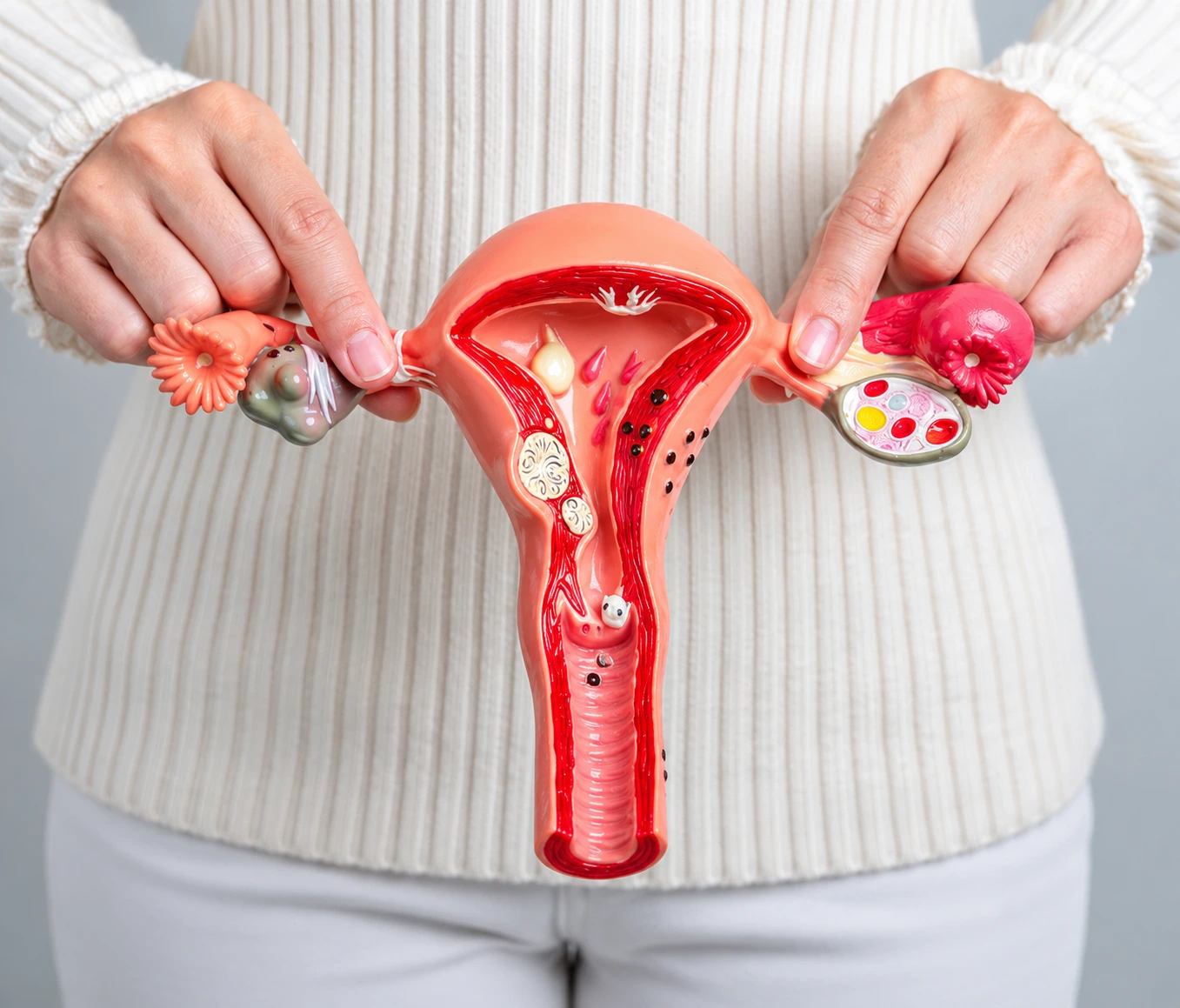
Fibroids can grow in different areas of the uterus. Their position can influence the symptoms a woman experiences.
The location can be clinically important. For example, a fibroid that projects into the uterine cavity may affect menstrual bleeding differently from one growing towards the outer surface.
This is one reason why simply knowing the size of a fibroid is not enough to understand its impact.
Some women have no symptoms, while others experience problems that interfere with everyday life.
Heavy or prolonged menstrual bleeding can also contribute to iron-deficiency anaemia in some women. Persistent tiredness, weakness or other symptoms associated with anaemia should be discussed with a healthcare professional.
However, these symptoms are not specific to fibroids. Other gynecological conditions can produce similar problems, so the underlying cause needs to be established rather than assumed.
There is no single symptom pattern for uterine fibroids.
A woman's experience can be influenced by the number, size and location of the fibroids, as well as other individual factors. A relatively small fibroid in a particular location may cause troublesome bleeding, while a larger fibroid elsewhere may mainly create pressure.
Fibroids can also change over time. Symptoms that were previously mild may become more noticeable, while some fibroids may remain stable.
For this reason, treatment decisions should be based on the woman's symptoms and clinical findings rather than on the presence of a fibroid alone.
Having a uterine fibroid does not automatically mean that a woman will have fertility problems. Many women with fibroids conceive and have pregnancies without the fibroid becoming a major issue.
In some situations, however, the size or location of a fibroid may be relevant to fertility. Fibroids that affect the inner cavity of the uterus can be particularly important when a woman is experiencing difficulty conceiving or planning a pregnancy.
If you are trying to become pregnant and have been diagnosed with fibroids, tell your gynecologist. Your reproductive plans may influence how the condition is evaluated and whether any treatment should be considered.
Consider seeking medical advice if you notice a significant change in your menstrual pattern or develop persistent pelvic symptoms.
These symptoms do not necessarily mean that fibroids are responsible. A gynecological assessment can help determine what may be causing them.
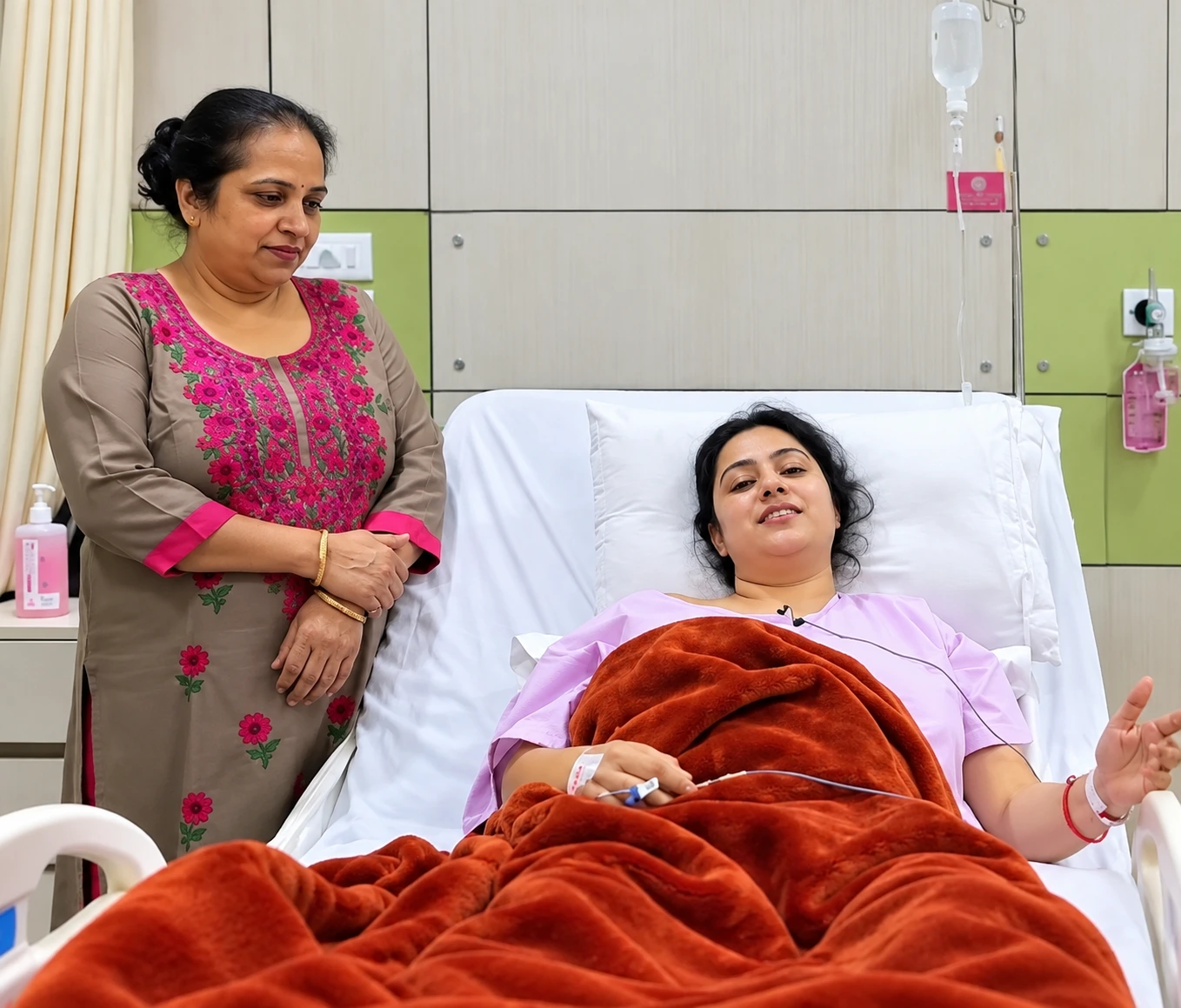
The first consultation is primarily about understanding your symptoms and medical history.
Your gynecologist may ask about your menstrual cycle, the amount and duration of bleeding, pain, pressure symptoms, previous pregnancies, fertility plans and any earlier diagnosis of fibroids.
A clinical examination may be performed when appropriate. Depending on the findings, the doctor may recommend an ultrasound scan or another investigation to examine the uterus more closely.
If you already have a scan report showing fibroids, take it with you. Information about the fibroid's size and location can help the doctor understand what has already been identified.
The purpose of this first assessment is to establish the clinical picture and determine whether further evaluation is needed.
Heavy menstrual bleeding can occur for several reasons. Fibroids are one possible cause, but they are not the only explanation.
Similarly, pelvic pain, pressure or changes in menstrual cycles can occur with different gynecological conditions.
This distinction matters because treating a fibroid may not address a symptom if another condition is responsible for it. A proper assessment helps connect the symptoms with the actual underlying cause.
No. A fibroid does not automatically need to be treated simply because it has been found.
If a fibroid is not causing significant symptoms or other clinical concerns, the doctor may recommend monitoring rather than immediate intervention.
Treatment becomes more relevant when the fibroid is associated with troublesome bleeding, pain, pressure, anaemia, fertility concerns or another issue that requires management.
The decision is therefore based on the individual woman, her symptoms and the characteristics of the fibroid, rather than a one-size-fits-all rule.
A diagnosis of uterine fibroids can sound concerning, particularly when the word “growth” is involved. Understanding that fibroids are generally benign is useful, but it is equally important not to assume that every pelvic or menstrual symptom is caused by them.
Once these questions have been evaluated, your gynecologist can explain the appropriate options.
Once a fibroid is suspected or identified, the next step is to understand its size, number, location and possible effect on the uterus. The evaluation also considers the symptoms you are experiencing and whether those symptoms are actually related to the fibroid.
Your gynecologist may review your menstrual history, pelvic symptoms, previous pregnancies, fertility plans and any earlier investigations. A clinical examination may also be performed when appropriate.
An ultrasound scan is commonly used to examine the uterus and identify fibroids. It can provide useful information about their location and size. Depending on the findings, symptoms and clinical situation, your doctor may recommend additional investigations.
The aim is to understand the condition properly before deciding whether any treatment is necessary.
Finding a fibroid does not automatically mean that it needs to be removed.
The doctor considers whether the fibroid is causing a meaningful problem and whether treatment is likely to provide a benefit. Your symptoms, reproductive plans and the characteristics of the fibroid all form part of this decision.
For example, a woman with no troublesome symptoms may be managed differently from someone experiencing persistent heavy bleeding or significant pelvic pressure.
The discussion should therefore focus on your symptoms and treatment goals, rather than treating the ultrasound finding alone.
For some women, monitoring may be an appropriate option.
If the fibroid is not causing significant symptoms and there are no other concerns requiring intervention, your gynecologist may recommend follow-up rather than immediate treatment.
Monitoring allows changes in symptoms or the fibroid to be reassessed over time. It does not mean that the condition is being ignored.
You should contact your doctor if you notice a significant change in menstrual bleeding, pelvic discomfort, pressure symptoms or other concerns during the follow-up period.
Treatment can sometimes focus on controlling symptoms rather than removing the fibroid.
For example, medical management may be considered when heavy menstrual bleeding or pain is the main concern. The choice of medication depends on your symptoms, medical history, other medicines and whether you are planning a pregnancy.
Medication may help manage particular symptoms, but it does not necessarily eliminate the fibroid itself. Your doctor can explain what a recommended medicine is intended to achieve and whether it is appropriate for you.
If heavy bleeding has resulted in anaemia, the doctor may also recommend assessment of your blood count and appropriate management.
A procedure or surgery may be discussed when fibroids are causing significant problems or when their characteristics make intervention appropriate.
The appropriate procedure depends on the location and characteristics of the fibroid, as well as the patient's health and treatment goals.
Not every woman with fibroids needs surgery, and not every fibroid can be approached in the same way.
Myomectomy is a surgical procedure in which uterine fibroids are removed while the uterus is preserved.
It may be considered for selected women, particularly when preserving the uterus is important. However, whether myomectomy is suitable depends on factors such as the number, size and location of the fibroids and the woman's individual circumstances.
There are different surgical approaches to myomectomy. The appropriate approach depends on the characteristics of the fibroid and the surgeon's assessment.
If surgery is being considered, ask your gynecologist why a particular approach is recommended and whether other options are available.
Pregnancy plans can make a difference when deciding how to manage uterine fibroids.
Some fibroids have little effect on fertility, while others may be relevant depending on their location and relationship to the uterine cavity. This does not mean that every woman with fibroids needs treatment before becoming pregnant.
If you are planning a pregnancy, tell your gynecologist before making a treatment decision. Your fertility goals can then be considered alongside the characteristics of the fibroid and any symptoms you are experiencing.
The most appropriate approach is individual rather than based on the presence of fibroids alone.
The recovery process depends on the type of treatment performed.
Women who are managed without surgery may simply require periodic follow-up and reassessment of symptoms.
If a surgical procedure is performed, recovery will depend on the type and extent of surgery. Your doctor will provide instructions regarding wound care, medicines, physical activity, work and follow-up appointments.
It is important to follow the specific advice given by your medical team rather than comparing your recovery with someone else's experience.
After a procedure, some discomfort or temporary changes can occur as the body heals. Your healthcare team will explain what is expected for the particular treatment you receive.
You should seek medical advice if you experience symptoms that are severe, worsening or significantly different from what you were told to expect. Depending on the procedure, concerning symptoms may include persistent fever, increasing pain, unusual bleeding, wound problems or other significant changes.
Your discharge instructions should take priority because recovery advice can differ between procedures.
Treating an existing fibroid does not necessarily prevent new fibroids from developing in the future.
This means that some women may experience fibroids again after treatment, depending on their individual circumstances. The possibility of future fibroid development is one reason ongoing attention to menstrual or pelvic symptoms can be useful.
If heavy bleeding, pelvic pressure or other symptoms return after treatment, speak with your gynecologist. Further assessment can determine what may be causing the symptoms.
Choosing observation can be a medically appropriate decision when the clinical findings are reassuring and the fibroid is not creating significant problems.
The decision can also be revisited if your circumstances change. New symptoms, increasing bleeding, fertility concerns or changes identified during follow-up may lead to another discussion about management.
This makes fibroid care a process rather than a decision that has to be made once and never reconsidered.
If treatment has been recommended, make sure you understand why it is being suggested and what it is intended to achieve.
Having these questions answered can help you make a decision based on your health, symptoms and personal goals.
Choosing treatment for uterine fibroids is not simply about finding a procedure. The right approach depends on your symptoms, the size and location of the fibroids, your overall health, and whether you are planning a pregnancy. A proper consultation helps bring these factors together before deciding whether monitoring, symptom management, or a procedure is appropriate.
At Surya Hospital, Puliyangudi, women can discuss fibroid-related concerns with the hospital’s Obstetrics & Gynecology team and understand the next steps based on their individual situation. The aim is to provide clear guidance rather than recommending the same treatment for every patient.
Dr. Subbulakshmi, MBBS, F-OBG, is an Obstetrician & Gynecologist and serves as the Chief Operating Officer at Surya Hospital. She has 5+ years of experience in Obstetrics & Gynecology.
During a consultation, your concerns, menstrual history, symptoms, previous medical information and relevant investigation reports can be discussed to help determine what evaluation or treatment may be suitable.
For women experiencing persistent heavy periods, pelvic discomfort, pressure symptoms, or concerns related to a diagnosed uterine fibroid, an individualized gynecological consultation can help clarify whether further assessment or treatment is needed.
These symptoms can have several possible causes, so they should not automatically be attributed to fibroids. A gynecologist can assess the symptoms and determine whether further evaluation is appropriate.
For patients looking for fibroid uterus treatment in Puliyangudi or Tenkasi, local access can make continuing care more convenient. Fibroid management may involve more than one appointment, particularly when symptoms are being monitored or treatment requires follow-up.
Surya Hospital is located at:
71 A, Surya Hospital, 5th West Street, Karpaga Veethi, Opposite to T.N.S.T.C Bus
Depot, Puliyangudi, Tenkasi - 627855
Patients from Puliyangudi and surrounding areas can discuss their concerns with the gynecology team and understand what evaluation or treatment pathway may be suitable for them.
A consultation can be used to understand your condition and clarify practical questions such as:
Taking previous scan reports, medical records and a list of current medicines to your appointment can help the doctor understand your history more efficiently.
Fibroid-related concerns can sometimes overlap with other gynecological issues. Surya Hospital also provides women’s healthcare services including:
Each condition requires its own assessment, so treatment should be based on the diagnosis and individual clinical needs rather than symptoms alone.
71 A, Surya Hospital, 5th West Street, Karpaga Veethi, Opposite to T.N.S.T.C Bus Depot, Puliyangudi, Tenkasi - 627855
No. Some fibroids may not cause significant symptoms and may be monitored rather than treated immediately. The decision depends on symptoms, fibroid characteristics, reproductive plans and other individual factors.
Yes. Depending on their size and location, uterine fibroids can contribute to heavy or prolonged menstrual bleeding. However, heavy periods can have other causes, so proper evaluation is important.
Many women with fibroids can become pregnant. However, certain fibroids, particularly depending on their location and relationship to the uterine cavity, may affect fertility or pregnancy planning. Your gynecologist can assess your individual situation.
No. Treatment is not automatically necessary for every fibroid. Depending on symptoms and individual circumstances, options may include observation, symptom management or a procedure when clinically appropriate.
New fibroids can develop after treatment, and treatment does not necessarily prevent future fibroid formation. Follow-up may therefore be recommended depending on your circumstances.
Women seeking fibroid treatment in Puliyangudi, Tenkasi can consult the Obstetrics & Gynecology team at Surya Hospital for assessment and individualized guidance.
Fibroids may affect fertility depending on their size and location, but having fibroids does not automatically mean infertility. A gynecologist can assess your individual situation.
Ultrasound is commonly used to identify fibroids and assess their size and location. Your doctor may recommend additional tests depending on your symptoms and findings.
Yes. Fibroids can cause heavy or prolonged menstrual bleeding, which may lead to anemia over time. Medical evaluation can help identify the cause and guide treatment.
Some fibroids may shrink over time, particularly around menopause. However, this varies between individuals, so monitoring with a gynecologist may be recommended.
If you have been diagnosed with a uterine fibroid or are experiencing symptoms such as heavy periods, pelvic discomfort or pressure, getting an appropriate evaluation can help you understand your options.
Speak with the Obstetrics & Gynecology team at Surya Hospital, Puliyangudi, Tenkasi, to discuss your symptoms, reports and treatment options.