


71 A, Suriya Hospital, Puliyangudi, Tenkasi - 627855
Kidney stones are hard deposits that can develop inside the kidneys when certain substances in urine become concentrated and form crystals. Some stones remain small and pass through the urinary tract naturally, while others can cause significant pain, urinary problems or obstruction and may require active treatment.
At Surya Hospital, Puliyangudi, Tenkasi, patients can seek evaluation for kidney stone conditions and discuss suitable treatment and stone-removal options with the medical team. Depending on the stone's size, location, symptoms and other clinical factors, treatment may range from observation and medical management to procedures for removing the stone.
If you are searching for kidney stone treatment in Puliyangudi, kidney stone treatment in Tenkasi, or looking for a kidney stone doctor in Puliyangudi, understanding how kidney stones develop, what symptoms they cause and when treatment may be necessary can help you prepare for a consultation.
A kidney stone is a hard, crystal-like deposit that forms inside the kidney when certain substances in urine become concentrated and crystallise.
A small stone may remain inside the kidney or move through the urinary tract and pass naturally. A larger stone may have difficulty passing and can cause pain or urinary obstruction.
The presence of a kidney stone does not automatically mean that surgery is necessary. The treatment decision depends on the characteristics of the stone and the patient's symptoms and clinical condition.
Urine contains dissolved minerals and other substances. When the concentration of certain substances becomes high enough, crystals can develop. These crystals may gradually collect and form a stone.
Kidney stone formation can involve several factors at the same time. A person who develops one stone may also have a risk of developing another in the future.
Kidney stones are classified according to their chemical composition.
Calcium-based stones are among the common types of kidney stones. They can form when calcium combines with other substances present in urine.
These stones can develop when urine contains a high concentration of uric acid. Certain dietary and metabolic factors may contribute to their formation.
These stones can be associated with certain urinary tract infections and may sometimes develop more quickly than other types.
Cystine stones are associated with an inherited condition that affects how the body handles a particular substance.
Knowing the type of stone can be useful when considering measures to reduce the likelihood of future stones. If a stone is retrieved during treatment, the doctor may discuss whether stone analysis is appropriate.
Although people commonly use the term kidney stone, a stone can move from the kidney into other parts of the urinary tract.
Kidneys → Ureters → Bladder → Urethra
A stone may remain in the kidney or move into the ureter, the tube that carries urine from the kidney to the bladder.
This distinction is important because kidney stones and ureteral stones can require different evaluation and treatment approaches.
A stone that moves into the ureter can sometimes cause significant pain or obstruct the flow of urine.
There is not always one single cause of kidney stones.
When the body does not receive enough fluids, urine can become more concentrated, which may increase the likelihood of crystal formation.
The amount of certain substances in the diet can influence urinary composition and stone risk.
A history of kidney stones can increase the likelihood of developing stones again.
Some people may have a higher tendency to develop kidney stones because of family or genetic factors.
Some health conditions can affect mineral levels or urine composition and contribute to stone formation.
Some medications can influence the substances present in urine and may be associated with stone formation.
The exact reason a particular patient develops a kidney stone may require individual evaluation.
Kidney stones can affect people of different ages. The likelihood can be influenced by several personal and environmental factors.
Having one risk factor does not mean that a person will definitely develop kidney stones.
The symptoms of a kidney stone can vary depending on its size, location and whether it is obstructing the urinary tract.
Some kidney stones may cause no noticeable symptoms and may be discovered during imaging performed for another reason.
Kidney stone pain is often felt in the side or back and may spread toward the abdomen or groin as the stone moves through the urinary tract.
The pain can vary in intensity and may come in waves. The location and severity of pain can change depending on where the stone is located.
However, not all flank or abdominal pain is caused by kidney stones. Other urinary, digestive and musculoskeletal conditions can cause similar symptoms.
For this reason, persistent or severe pain should be medically evaluated rather than being assumed to be a kidney stone.
Yes. Kidney stones can sometimes cause blood in the urine.
As a stone moves through the urinary tract, it can irritate the lining and result in visible or microscopic blood.
Blood in urine can also have other causes, however. If you notice blood in your urine, medical evaluation is important to determine the underlying reason.
Yes. Kidney stones can sometimes cause nausea or vomiting, particularly when significant pain occurs.
These symptoms can accompany renal or ureteric colic, but nausea and vomiting are not specific to kidney stones.
If vomiting is persistent, especially when combined with severe pain, fever or difficulty passing urine, prompt medical attention is important.
Some kidney stones can pass naturally through the urinary tract, particularly when they are small and positioned in a way that allows passage.
A doctor may recommend observation and follow-up for selected stones rather than immediate stone removal.
Larger or difficult-to-pass stones may require active treatment.
No. Not every kidney stone requires surgery or a stone-removal procedure.
Some stones may be monitored or managed conservatively when they are small, not causing significant problems and are considered likely to pass.
The decision should be based on proper medical evaluation.
If you already have an imaging report, bringing it to your appointment can help the doctor assess the stone's location and other relevant findings.
A kidney stone can require urgent medical assessment when it is associated with severe symptoms, urinary obstruction or signs of infection.
A blocked urinary system combined with infection can require urgent treatment.
Patients with severe or rapidly worsening symptoms should not delay medical evaluation while trying home remedies.
Stone size and location are important factors when deciding whether a kidney stone may pass naturally or require active treatment.
For example, a small stone in a favourable location may have a reasonable chance of passing naturally, while a larger stone or a stone causing obstruction may require a procedure.
Stone size + Stone location + Symptoms + Obstruction + Kidney function + Overall health
This is why two people with kidney stones may receive different treatment recommendations.
There is no single treatment that is appropriate for every kidney stone.
When a stone needs to be removed, procedures such as RIRS, URS, ESWL or PCNL may be considered depending on the stone's size, location and other clinical factors.
These procedures are explained in detail in the treatment section of this page.
If you are looking for kidney stone treatment in Puliyangudi or kidney stone treatment in Tenkasi, the first step is an appropriate medical evaluation.
At Surya Hospital, Puliyangudi, patients can discuss kidney stone symptoms and investigation findings with the medical team and understand whether observation, medical management or stone removal may be appropriate.
The goal is not simply to identify a stone but to understand its size, location, effect on the urinary tract and potential treatment requirements.
Kidney stones are diagnosed by combining the patient's symptoms, medical history, physical examination and appropriate investigations. The doctor needs to determine not only whether a stone is present, but also its size, location and whether it is affecting the normal flow of urine.
The information obtained during evaluation helps the doctor decide whether the stone can be observed, managed medically or needs active removal.
The size of a kidney stone can influence the likelihood of natural passage and the choice of treatment.
A smaller stone may be more likely to pass through the urinary tract naturally, while a larger stone may have difficulty passing and may require a procedure.
Therefore, treatment should not be decided based on stone size alone.
A kidney stone can remain inside the kidney or move into the ureter. Its location can affect symptoms, the possibility of natural passage and the treatment approach.
This is one reason imaging is important before deciding on a stone-removal procedure.
A kidney stone and ureteral stone are related conditions, but their treatment may differ depending on the exact location of the stone.
Some kidney stones may be managed through observation and medical treatment when they are small, not causing significant complications and are considered likely to pass naturally.
Patients should follow the treatment plan provided by their doctor rather than assuming that every stone will pass naturally.
If the stone does not pass, symptoms continue or complications develop, active stone removal may need to be considered.
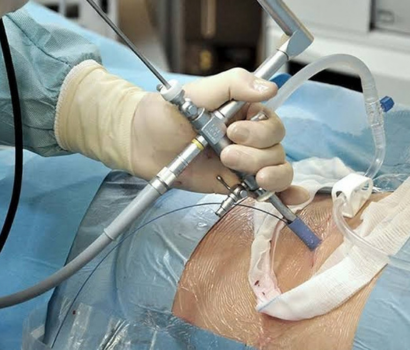
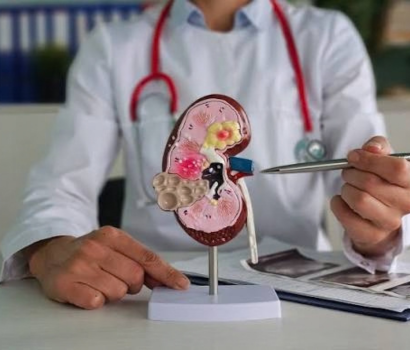
Kidney stone removal may be recommended when a stone is unlikely to pass naturally, causes persistent symptoms, produces obstruction or creates other clinical concerns.
The decision is made after assessing the complete clinical picture.
Kidney stone treatment can range from conservative management to minimally invasive or surgical stone removal.
Selected small stones may be monitored when the doctor considers natural passage possible.
Extracorporeal Shock Wave Lithotripsy (ESWL) uses externally generated shock waves to break a kidney stone into smaller fragments that can then pass through the urinary tract.
Ureteroscopy (URS) uses a thin specialised instrument to access the urinary tract and treat or remove a stone. It may be considered particularly when a stone is located within the ureter or in selected kidney locations.
Retrograde Intrarenal Surgery (RIRS) is a minimally invasive technique in which a flexible instrument is passed through the urinary tract to reach stones within the kidney. The stone can be treated using specialised equipment and the resulting fragments can be removed or allowed to pass depending on the clinical situation.
Percutaneous Nephrolithotomy (PCNL) is a procedure in which access to the kidney is created through a small opening in the back to remove kidney stones. It may be considered for larger or complex kidney stones when this approach is appropriate.
The most suitable procedure depends on the patient's stone characteristics and clinical condition.
ESWL is a non-invasive stone-treatment technique that uses shock waves from outside the body to break a stone into smaller pieces.
The fragments may then pass through the urinary tract.
ESWL is not automatically suitable for every kidney stone. The doctor evaluates the stone and patient before recommending this treatment.
Ureteroscopy, or URS, is a minimally invasive procedure in which a small instrument is passed through the natural urinary passage to reach and treat a stone.
Depending on the location and characteristics of the stone, the surgeon may use specialised equipment to break the stone into smaller fragments or remove it.
URS may be used for selected ureteral stones and certain kidney stones. The appropriate approach depends on the individual stone and the surgeon's assessment.
RIRS, or Retrograde Intrarenal Surgery, is a minimally invasive procedure used to reach stones inside the kidney through the natural urinary passage.
A flexible instrument is guided through the urinary tract to access the kidney. Specialised equipment can then be used to fragment the stone.
The surgeon will determine whether RIRS is appropriate for the particular stone.
PCNL, or Percutaneous Nephrolithotomy, is a minimally invasive procedure used to remove kidney stones through a small access point created through the skin into the kidney.
It may be considered particularly for larger or more complex stones where another treatment approach may not be suitable.
The procedure involves creating controlled access to the kidney and using specialised instruments to remove or fragment the stone.
The decision to perform PCNL depends on the stone's characteristics and the patient's overall clinical condition.
There is no single kidney stone procedure that is best for every patient. The choice may depend on the following factors:
| Factor | Why It Matters |
|---|---|
| Stone size | Influences likelihood of natural passage and treatment choice |
| Stone location | Determines how the stone can be accessed |
| Number of stones | Multiple stones may require a different approach |
| Obstruction | Can affect urgency and treatment planning |
| Infection | May require prompt medical management |
| Stone composition | Can influence how the stone responds to treatment |
| Kidney function | Important when planning treatment |
| Previous procedures | May influence the next treatment approach |
| Overall health | Can affect procedure suitability |
The treating doctor considers these factors together before recommending a treatment plan.
Many kidney stones can be treated using minimally invasive or non-invasive approaches, depending on the stone and the patient's condition.
Procedures such as ESWL, URS, RIRS and PCNL provide different ways of treating or removing stones without conventional open surgery.
However, the term “minimally invasive” does not mean that every procedure is appropriate for every patient. The treatment approach should be selected after proper evaluation.
Follow the specific instructions given by your treating medical team.
The exact process depends on the selected procedure.
The medical team will explain the specific procedure planned for you before treatment.
Recovery depends on the type of treatment performed and your individual condition.
Some patients may experience temporary discomfort or urinary symptoms after certain stone procedures. Your treating team will explain which symptoms are expected and which symptoms require medical attention.
Recovery varies according to the type of procedure, stone characteristics and individual health.
A patient undergoing one type of stone treatment may have a different recovery experience from someone undergoing another procedure.
Following post-treatment instructions is an important part of recovery.
Yes. A person can develop kidney stones again even after a previous stone has been removed.
Stone removal treats the existing stone, but it does not necessarily eliminate the factors that caused stone formation.
Prevention recommendations should be based on the individual's stone type and medical circumstances.
Prevention depends partly on why the stone developed.
General measures may include maintaining appropriate hydration and following dietary advice suited to your individual stone risk.
If you have recurrent kidney stones, your doctor may consider additional evaluation to understand the factors contributing to stone formation.
Avoid following extreme dietary restrictions or taking supplements specifically for stone prevention without discussing them with a healthcare professional.
These questions can help you understand why a particular treatment has been recommended rather than choosing a procedure based solely on the name of the treatment.
Kidney stone symptoms can sometimes require urgent assessment, particularly when there is a possibility of obstruction or infection.
A blocked urinary system with infection can be a serious situation and should be assessed promptly.
If you have been diagnosed with a kidney stone, are experiencing recurring flank pain, or have been advised to undergo stone removal, the first step is to understand the size, location and clinical significance of the stone.
At Surya Hospital, Puliyangudi, Tenkasi, patients can seek evaluation for kidney stone conditions and discuss appropriate treatment options with the medical team. Depending on the patient's condition, treatment may include observation and medical management or active stone removal through procedures such as ESWL, URS, RIRS or PCNL, when clinically appropriate.
The aim of treatment is not simply to remove a stone but to address the patient's symptoms, urinary obstruction and other factors that may affect kidney and urinary tract health.
Kidney stone removal may be considered when a stone is unlikely to pass naturally, causes persistent symptoms, produces obstruction or creates other clinical concerns.
For this reason, patients searching for kidney stone removal in Puliyangudi should have the stone evaluated before deciding which procedure is appropriate.
Surya Hospital provides kidney stone treatment options including ESWL, URS, RIRS and PCNL.
The choice between these procedures depends on the individual patient's stone characteristics and clinical assessment.
Extracorporeal Shock Wave Lithotripsy (ESWL) uses shock waves generated outside the body to break a kidney stone into smaller fragments.
The fragments may then pass through the urinary tract.
ESWL may be considered for selected stones depending on their size, location and other factors.
Ureteroscopy (URS) involves passing a specialised instrument through the urinary tract to reach and treat a stone.
Depending on the stone, the surgeon may fragment it or remove it using appropriate instruments.
URS can be considered for selected ureteral stones and certain kidney stones.
RIRS is a minimally invasive technique used to access stones located inside the kidney through the natural urinary passage.
A flexible instrument is guided into the kidney, allowing the surgeon to access and fragment the stone using specialised equipment.
RIRS may be considered for selected kidney stones based on their size, location and other clinical factors.
PCNL is a minimally invasive procedure in which access to the kidney is created through a small opening in the back to allow the stone to be fragmented and removed.
It may be considered for larger or complex kidney stones where this approach is clinically appropriate.
The treating team will determine which procedure is most suitable after evaluating the patient.
There is no single procedure that is suitable for every kidney stone.
The final treatment plan should be based on the patient's complete clinical assessment.
If you are looking for a kidney stone doctor in Puliyangudi, it is important to understand that kidney stone treatment may involve different approaches depending on the location and characteristics of the stone.
This information helps determine whether the stone can be monitored, managed medically or requires active removal.
Patients searching for a kidney stone surgeon in Puliyangudi or kidney stone surgeon in Tenkasi can discuss their condition with the appropriate surgical team at Surya Hospital.
The consultation should focus on the patient's individual diagnosis rather than selecting a procedure simply because it is minimally invasive or commonly used.
Dr. M. Sivasubramanian, M.S., D.MAS., F.MAS., FIAGES, FALS, F.ART, is a General & Laparoscopic Surgeon with 10+ years of experience and serves as the Managing Director of Surya Hospital.
Patients consulting for surgical conditions can discuss their symptoms, investigation reports and treatment options with the medical team.
For kidney stone-related concerns, the appropriate evaluation may include reviewing imaging, understanding the stone's location and determining whether active stone treatment is required.
The treatment approach should be based on the patient's clinical findings and the appropriate medical assessment.
If you are visiting Surya Hospital for kidney stone evaluation, bring any previous medical records that may help the doctor understand your condition.
Also inform the doctor about previous kidney stones, previous procedures, allergies and other relevant medical conditions.
Patients searching for kidney stone treatment in Tenkasi may consider Surya Hospital in Puliyangudi for evaluation and treatment options.
The hospital provides kidney stone treatment procedures including ESWL, URS, RIRS and PCNL, with the appropriate option selected according to the patient's stone characteristics and clinical requirements.
Puliyangudi is the local hospital location, while Tenkasi is the broader geographical area relevant to patients searching for treatment.
Do not delay medical attention if kidney stone symptoms are accompanied by:
A kidney stone associated with urinary obstruction and infection can require urgent medical management.
Kidney stones and ureteral stones are closely related but involve different locations within the urinary tract. Patients may also explore:
71 A, Surya Hospital, 5th West Street, Karpaga Veethi, Opposite to T.N.S.T.C Bus Depot, Puliyangudi, Tenkasi - 627855
There is no single best treatment for every kidney stone. The appropriate option depends on the stone's size, location, symptoms, obstruction and the patient's overall health. Treatment may include observation, medical management, ESWL, URS, RIRS or PCNL.
A kidney stone may need active removal when it is unlikely to pass naturally, causes persistent symptoms, produces urinary obstruction, is associated with complications or creates other clinical concerns.
ESWL is a non-invasive treatment that uses externally generated shock waves to break a kidney stone into smaller fragments. The suitability of ESWL depends on the characteristics and location of the stone.
RIRS stands for Retrograde Intrarenal Surgery. It is a minimally invasive procedure in which a flexible instrument is passed through the urinary tract to reach and treat stones inside the kidney.
URS stands for Ureteroscopy. It uses a specialised instrument passed through the urinary tract to reach and treat or remove a stone, particularly selected stones located in the ureter.
PCNL stands for Percutaneous Nephrolithotomy. It involves creating a small access route through the skin into the kidney to fragment and remove kidney stones. It may be considered for larger or complex stones.
Yes. Some smaller stones may pass naturally depending on their size, location and other factors. However, stones that do not pass or cause persistent symptoms, obstruction or complications may require active treatment.
The experience varies depending on the procedure, the patient's condition and individual pain response. Appropriate anaesthesia and pain-management measures may be used according to the procedure and clinical requirements.
Recovery varies according to the procedure performed, stone characteristics and the patient's individual health. The treating team can provide more specific guidance after evaluating the patient.
Yes. Kidney stones can recur even after an existing stone has been treated or removed. Prevention depends on factors such as the type of stone, fluid intake, dietary factors and underlying medical conditions.
Maintaining appropriate hydration and following dietary and medical advice suited to your individual stone risk may help reduce recurrence. Patients with recurrent stones may benefit from further evaluation to understand why stones are forming.
A doctor experienced in evaluating urinary stone conditions can assess the stone and determine whether observation, medical management or active removal is appropriate. If surgical treatment is being considered, the patient can discuss the available treatment approach with the relevant surgical team.
Patients looking for kidney stone treatment in Puliyangudi can consult the medical team at Surya Hospital, Puliyangudi, Tenkasi, where kidney stone treatment options including ESWL, URS, RIRS and PCNL are available according to the patient's clinical requirements.
If you have been diagnosed with a kidney stone, are experiencing recurring pain, have blood in your urine, or have been advised to undergo stone removal, consult the medical team at Surya Hospital, Puliyangudi.
The hospital provides ESWL, URS, RIRS and PCNL for appropriate kidney stone cases. The suitable procedure depends on the stone's size, location, symptoms, urinary obstruction and the patient's overall clinical condition.